

DCW Monthly: October 2026
This month’s content follows a standby LC past issuance and asks a practical question: once the instrument is out
This month’s content follows a standby LC past issuance and asks a practical question: once the instrument is out

Four draft opinions, two of which dealing with insurance documents and war risk exclusion wording, will be discussed in the

The ruling in Weifang JS Trading Co. v. Euro Exim Bank centered on treatment of the Field 47A payment term

This month’s content follows a standby LC past issuance and asks a practical question: once the instrument is out the door, who is actually watching it?
Nick Mayer of Cibar and Alexander Paetzold of Trade Technologies take it up from either side of the instrument. Mayer looks at the issuing bank, where evergreen renewals, fee postings and sanctions checks are still too often left to spreadsheets and individual memory. Paetzold turns to the beneficiary, where an inbound guarantee or standby can arrive with no clear owner inside the company, and sets out what corporate treasury needs to see well before it has to make a demand. We also publish previously unseen commentary on ISP98 Rule 1.09(c) and electronic presentation, and Michael Byrne completes his skills cliff series.
Plus: Weifang v. Euro Exim on a conditional payment term, DCW Profiles, BAFT’s expanded red flags, and the latest from Treasury, Commerzbank and the ICC.
Here’s everything that’s new:
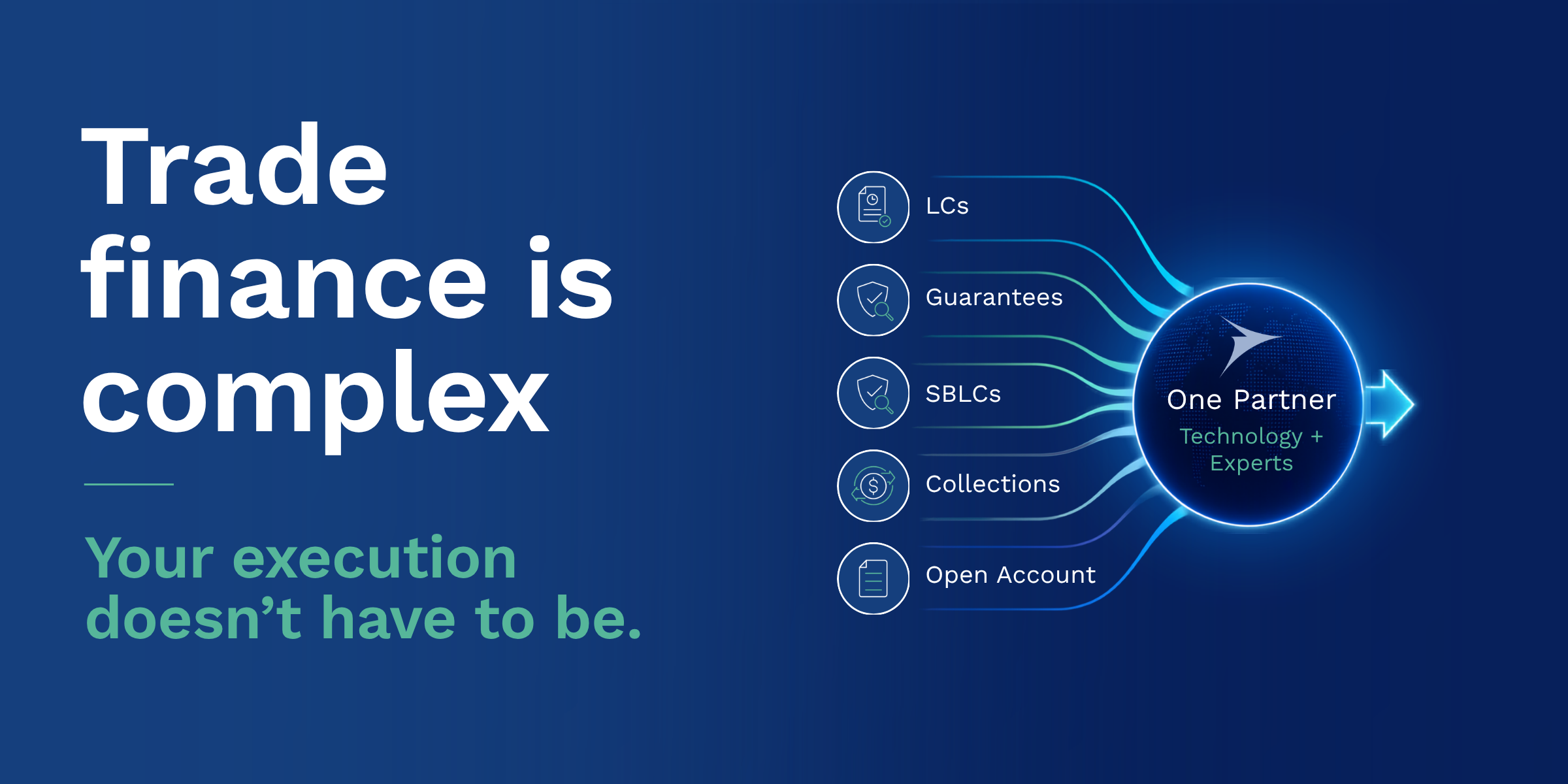
For banks and corporates, transformation shouldn’t mean replacing one set of complexities with another.
Trade Technologies brings technology, connectivity, and trade expertise together to make execution seamless, while keeping you in control.
A missed evergreen notice or an unposted commission rarely looks like a systemic problem until it becomes one. In this piece, Nick Mayer of Cibar looks at where manual standby LC processes are most exposed and makes the case for automation as a control and risk discipline, not just an efficiency gain. He sets out five areas where the business case is strongest, with particular attention to what banks stand to lose as experienced practitioners retire.
By Nick Mayer
Treasury teams generally keep close watch over the guarantees and standbys issued on their company’s behalf. The instruments issued in their favor are another matter. Arriving through commercial or project channels, with no facility usage and little in the way of fees, inbound undertakings often acquire no clear internal owner and are filed away with the underlying contract. Alexander Paetzold considers why that gap persists and what it can cost a beneficiary when an inbound guarantee or SBLC is first examined only at the point of demand.
In the final part of his Skills Cliff series, Michael Byrne turns from the problem to potential solutions (with plentiful Star Wars references). He pictures an LC examination desk in 2027, looks at how new tools could change the time it takes to train a capable examiner, and sets out the build, borrow, buy choices banks face in keeping trade finance expertise in-house. Standbys get their own treatment, along with a case for why the experts are not going anywhere.
DCW publishes previously unseen commentary by the late Professor James E. Byrne on ISP98 Rule 1.09(c), the provision that gives standby drafters a vocabulary for non-paper presentation. Professor Byrne traces why standbys proved far more amenable to electronic presentation than commercial credits, and works through the definition of “electronic record” element by element. Along the way, he considers questions that remain live today, including where telefax sits and what happens when drafters vary ISP98 definitions. His analysis of “authenticate,” “electronic signature” and “receipt” will follow in future editions.
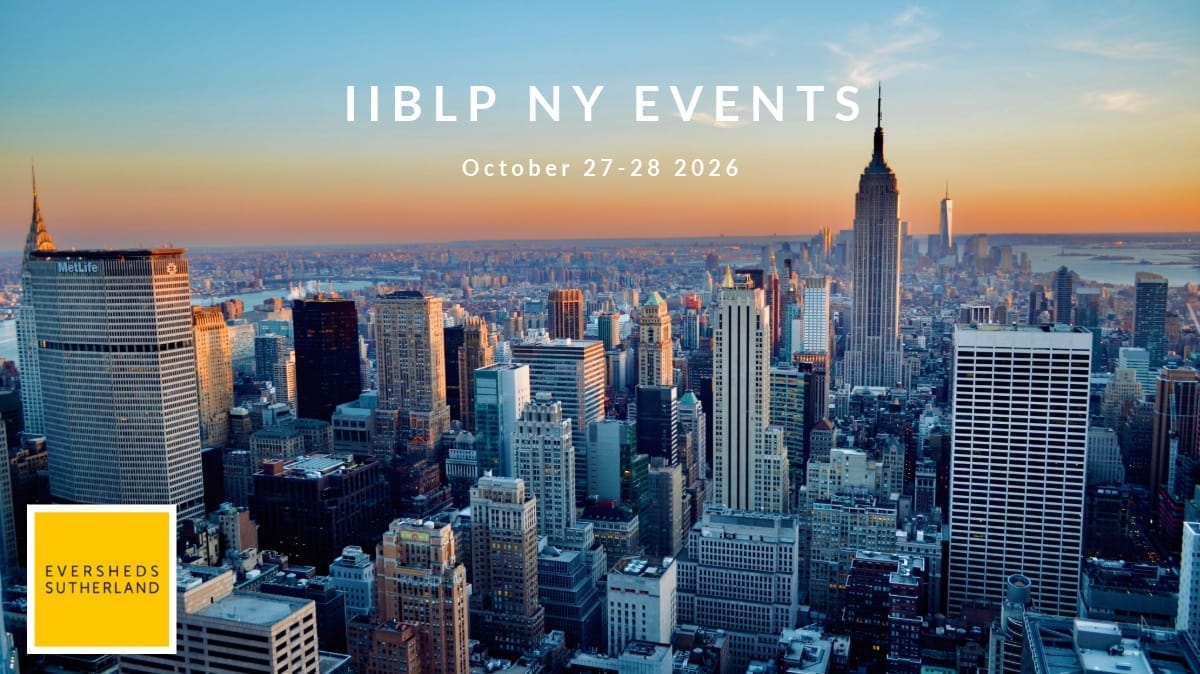
Later this month in NYC: two long-running IIBLP events bringing together banking, legal and corporate perspectives for in-depth discussions. Online participation available, in-room capacity limited.
New York, 27 October:
Standby & Guarantee Forum | Hybrid | $525 | Group rates available
New York, 28 October:
LC Law Summit | Hybrid | $525 | Group rates available
DCW members take 15% off using code DCW-VIP
Glenn Ransier, Executive Director of Global Trade & Receivables at Wells Fargo, started in an entry-level LC role, moved to reimbursements and never left. More than four decades on, he recalls getting his team operational within hours after the World Trade Center fell, and explains why he believes the real career in trade finance lives in the 40% that isn’t black and white.
Cherine Kenawy, Executive Director of Trade & Working Capital Solutions at Santander Bank in New York, came to documentary credits through a curiosity about how trade finance connects banking, law and commerce. After more than 30 years, she is most energized by structures that pair LCs with receivables and securitization, and argues that the industry needs to keep investing in the practical training these transactions require.
The trade finance community remembers Professor Boris Kozolchyk, who died on 17 September at the age of 91. Founder of what became the Kozolchyk National Law Center and a central figure in the drafting of UCP500, the revised UCC Article 5, the UN Convention on Independent Guarantees and ISP98, he is remembered by colleagues and former students as both a towering scholar and a generous mentor. Tributes from Christopher Byrnes, Janis Penton and Chang Soon Thomas Song are collected here, and readers are invited to submit their own.
View the tribute
Thanks for reading. Next stop is New York, where two days of standbys, guarantees and LC law are waiting. We’ll save you a seat, or a login.
Paid members have full access to articles, case summaries, practical eBooks, editorial analysis, and CPD credit.
Email us to find the right subscription for you.
Gain full access to analysis, cases, eBooks and more with a DCW Free Trial